
SaaS Commission Models: How to Align Pay with CAC, LTV, and Retention
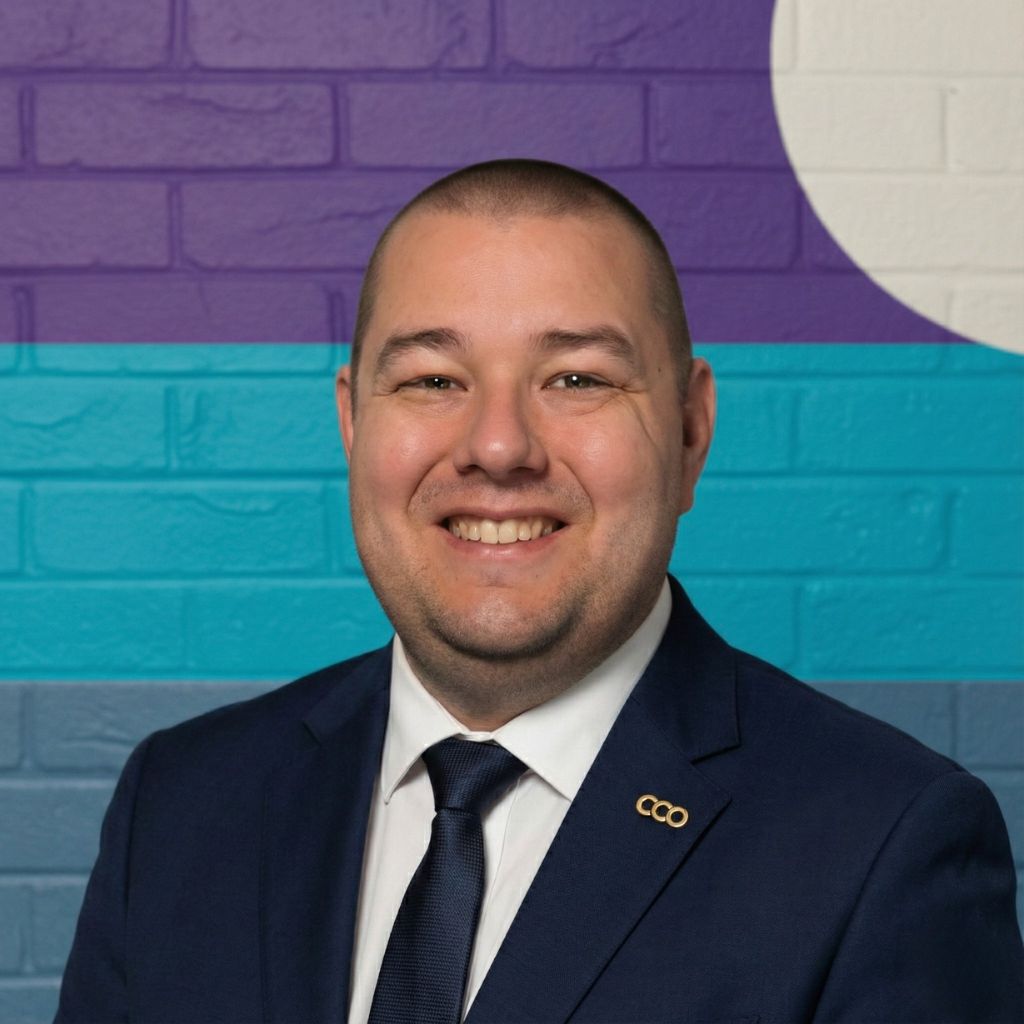
Matt
The Chief Commission Officer
The CFO's Challenge:
In a recurring revenue business, a "bad" commission plan isn't just one that overpays; it's one that destroys your unit economics. If you pay upfront for customers who churn in 3 months, you are lighting cash on fire.
Designing compensation for a Subscription/SaaS business is fundamentally different from a transactional one.
In a transactional business (like real estate or hardware), the cash comes in when the deal closes. You pay the commission, and you move on.
In SaaS, the cash comes in over time (MRR/ARR), but the sales rep usually wants to be paid now. This creates a cash flow gap that, if mismanaged, can wreck your CAC Payback Period.
As a finance leader, you need to choose a model that balances Rep Motivation (getting paid today) with Company Health (getting paid over time).
Here are the three standard models to consider.
Model 3: The Hybrid "Kicker" (The Gold Standard)
How it works: You pay the bulk of the commission upfront (e.g., 80% or 100% of Year 1 ACV), but you tie it to Net Retention or Cash Collection gates. Why it wins: It solves the cash flow risk of Model 1 without the demotivating "drip" of Model 2.
- • Variant A (Cash Gate): Pay 50% on booking, 50% when the customer pays the invoice.
- • Variant B (Retention Kicker): Pay 10% on the initial deal, and an extra 2% "Kicker" if the customer renews for Year 2.
The "Clawback" Clause: Your Insurance Policy
No matter which model you choose, if you pay anything upfront, you must have a clear Clawback Clause.
Standard SaaS Clawback Policy: "If a customer cancels or fails to pay within the first X months (usually 3-6), the unearned commission will be deducted from the representative's next paycheck."Without this, you are vulnerable to "fake churn"—reps closing bad-fit deals just to hit quota, knowing they will churn immediately.
Frequently Asked Questions (FAQ)
Should we pay commission on Multi-Year Deals?
Yes, but act carefully. A common practice is to pay full commission on Year 1, and a reduced rate (e.g., 50%) on Years 2 and 3. Alternatively, pay the Year 2+ commission only when those years actually invoice.Do we pay commission on Renewals?
Typically, Account Executives (Hunters) do not get paid on renewals; they are paid to bring in new logos. Account Managers (Farmers) or CSMs are paid on renewals, usually at a lower rate than new business (e.g., 2-5%).
What is a good commission rate for SaaS Sales?
The standard benchmark is 10% of ACV for AEs. This aligns with the "10% Cost of Sales" rule of thumb that helps keep CAC payback periods under 12 months.
Model Your Unit Economics First.
Before you roll out a new SaaS comp plan, you need to know how it impacts your CAC and Payback Period. Don't guess. Use our free Commission Plan Design Calculator to model different payout structures (Upfront vs. Over Time) and see the financial impact instantly.
Continue Reading
More insights on sales compensation and best practices